If you’ve ever stood at a bar staring at the tap handles, wondering what separates a stout from every other beer on the menu, you’re not alone. Stout beer is one of the most misunderstood, underestimated, and frankly spectacular beer styles in the world. It looks intimidating, it pours like liquid midnight, and the first sip can feel like a revelation. But here’s the truth: stout isn’t the heavy, bitter punishment drink that its reputation sometimes suggests. It’s a deeply nuanced, richly layered, and surprisingly approachable style with hundreds of variations, a centuries-long history, and a devoted following that spans from Irish pub-goers to American craft beer adventurers.
Whether you’re a lifelong beer drinker looking to expand your palate, a wine or cocktail enthusiast curious about crossing over to the dark side, or simply someone who wants to understand what they’re ordering, this guide covers everything you need to know about stout beer, from its 18th-century English origins to the barrel-aged behemoths pouring out of American craft breweries today.
You Are Watching: What Is Stout Beer? Your Complete Guide to the Darkest, Boldest Beer in the Glass Updated 10/2026
The Definition: What Exactly Is Stout Beer?
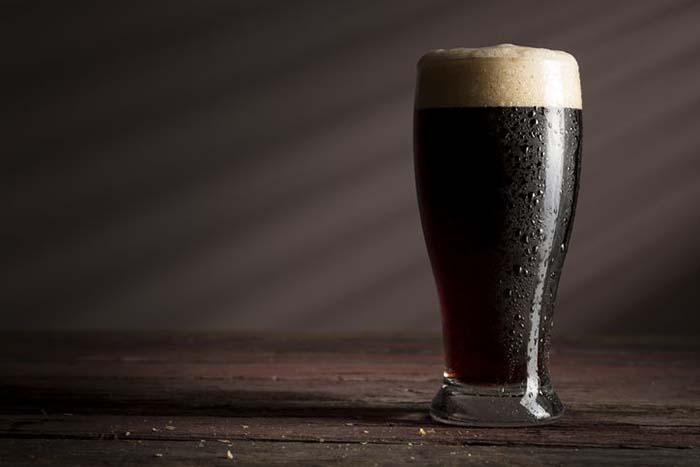
At its most fundamental level, stout is a type of dark ale known for its rich, roasted character, deep brown to jet-black color, and complex flavor profile built around notes of coffee, dark chocolate, and toasted grain. The style is broadly warm-fermented (meaning it’s an ale, not a lager) and brewed using roasted barley as its defining ingredient.
That last point is crucial. While other dark beers get their color from dark malted grains, the true stout uses unmalted roasted barley. This single ingredient is responsible for the signature dryness, the coffee-like bitterness, and that inky, almost opaque appearance that makes a stout look unlike anything else on the bar top. When barley is roasted to near-blackness, similar to the roasting of coffee beans, it develops intense, complex compounds that no other brewing ingredient can replicate.
Beyond roasted barley, stouts contain the same four fundamental ingredients as almost every beer: barley, hops, water, and yeast. The brewing process follows a familiar arc: the grain is mashed in hot water to extract fermentable sugars, hops are added during the boil (primarily for bitterness in most stout styles, rather than aroma), the liquid is cooled and transferred to a fermenter, and yeast is pitched to begin fermentation. What separates a stout is not some mysterious process but rather the type and intensity of the grain used.
Most standard stouts range from 4% to 7% ABV (alcohol by volume), though specialty varieties like imperial stouts can push well above 12% ABV, and sessionable dry Irish stouts can sit as low as 3.5%. The range is enormous, which is a big part of what makes the style so compelling.
A Brief but Fascinating History
The story of stout beer is inseparable from the story of porter, and understanding that relationship helps explain why the style exists at all.
Porter emerged in early 1720s London, born from the working-class neighborhoods near the docks and markets of the city. Named for the street porters and market workers who carried goods across London for a living, porter was a dark, strong, and nutritious brew that provided energy for physical labor. It was cheaper than other beers, took longer to spoil, and was enormously popular across social classes. Within a few decades, porter breweries in London had scaled to a size previously unheard of in the brewing world.
The word “stout” itself has an interesting etymology. Originally meaning “proud” or “brave,” it shifted after the 14th century to mean “strong.” The first known recorded use of “stout” in reference to beer appears in a document dated 1677 in the Egerton Manuscripts, where it described a strong beer. By the 18th century, brewers were producing porters in a range of strengths, and the stronger versions simply became known as “stout porters.” A stout porter was, in plain terms, a more robust and higher-gravity version of the porter it was derived from.
As the variety of stouts grew and the stronger dark beers developed their own distinctive identity, the word porter gradually fell away, leaving just stout. By the late 19th century, stout had become its own category, distinct enough to stand on its own.
One name dominates the history of stout more than any other: Arthur Guinness. In 1759, Guinness signed his famous 9,000-year lease at St. James’s Gate Brewery in Dublin, and by 1776 was brewing a version of porter. The brewery’s stout, originally called “Extra Superior Porter,” would evolve into what the world now knows as Guinness, the benchmark dry Irish stout and arguably the most recognized beer on Earth.
The other towering historical development is the Russian Imperial Stout. In the late 18th century, a brewery called Thrale’s Anchor Brewery in London began brewing an enormously strong stout specifically for export to the court of Catherine II of Russia. The beer had to be robust enough to survive the long sea voyage, and it was brewed with original gravities between 1.100 and 1.107, resulting in alcohol content around 10% ABV. It was eventually acquired by Barclay Perkins and renamed the “Barclay Perkins Imperial Brown Stout,” a style that lives on today as one of the most celebrated in all of craft brewing.
The Many Styles of Stout Beer
One of the most remarkable things about stout is how wildly diverse the family is. Calling something “just a stout” is a little like calling something “just a cocktail.” The category encompasses styles as different from one another as a dry martini is from a frozen margarita. Here’s a breakdown of the major types you’re likely to encounter.
Dry Irish Stout
This is the style most people think of when they hear the word stout, largely because of Guinness. Dry Irish stout is characterized by its crisp, assertive coffee-like bitterness, relatively light body despite its dark appearance, and a distinctively dry finish with minimal sweetness. The flavor emphasizes roasted grain, coffee, and slight cocoa notes, and the finish is clean and sharp.
Counterintuitively, Guinness Draught checks in at just 4.2% ABV and approximately 125 calories per 12-ounce serving, making it lighter in alcohol and calories than many lagers and pale ales that look far less intimidating. When served on a nitrogen tap, the beer pours with that iconic cascading effect and settles into a creamy, dense white head that clings to the glass. The nitrogen gas (rather than the CO2 used in most beers) creates smaller bubbles, giving dry Irish stout its velvety, smooth mouthfeel.
Popular examples: Guinness Draught, Murphy’s Irish Stout, Beamish Irish Stout.
Milk Stout (Sweet Stout)
Milk stout is brewed with the addition of lactose, a sugar derived from milk. Because beer yeast cannot ferment lactose, it remains in the finished beer, adding a noticeable sweetness, increased body, and a creamy, almost dessert-like character. The result is a stout that shares the roasted chocolate and coffee backbone of dry stout but wraps it in a softer, sweeter package.
Historically, milk stout was marketed as a nutritious drink, with some early breweries advertising that each pint contained the nutritional equivalent of a certain amount of dairy milk. Doctors in the early 20th century were even known to recommend it to nursing mothers (a practice that would raise some eyebrows today). Milk stout was relatively rare for decades but has been enthusiastically revived by the craft beer movement.
Typical ABV: 4% to 6%. Popular examples: Left Hand Milk Stout, Mackeson’s Triple Stout.
Oatmeal Stout
Oatmeal stout is brewed with the addition of oats, which contribute a luxuriously silky, smooth mouthfeel and a slightly nutty, creamy flavor that softens the harsh edges of the roasted barley. The oats don’t dramatically change the flavor profile in the way that lactose does for milk stout, but they significantly alter the texture, giving the beer a fuller, more pillowy feel on the palate.
Oatmeal stouts are incredibly popular in the American craft scene, and they’re often cited as a great entry point for drinkers who find dry Irish stouts too sharp or bitter.
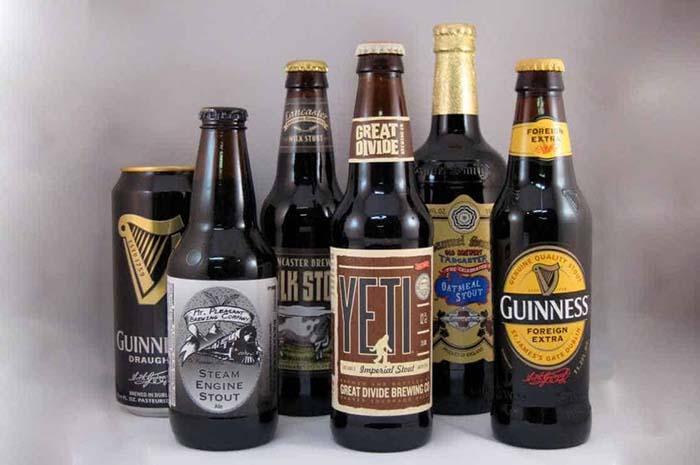
Typical ABV: 4% to 7%. Popular examples: Samuel Smith’s Oatmeal Stout, Founders Breakfast Stout.
Imperial Stout (Russian Imperial Stout)
Imperial stout is the heavyweight champion of the stout world. Born out of the historical tradition of brewing high-strength beers for export to the Russian court, modern imperial stouts are massive, complex, and intensely flavored. ABV typically ranges from 8% to 12%, though some examples exceed 14% or even 15%.
These beers are rich with dark fruit notes (raisins, plums, figs), intense dark chocolate, espresso, molasses, and sometimes a pleasant warming alcohol character. They are meant for slow, contemplative sipping, not session drinking, and they reward patience, often improving significantly after months or even years of proper cellaring.
Read More : How To Order Root Beer Float On Sonic App Updated 10/2026
Many of the most sought-after imperial stouts in the American craft beer world are barrel-aged: transferred after primary fermentation into oak barrels that previously held bourbon, whiskey, rum, or wine. The beer absorbs vanilla, oak, caramel, and spirit flavors from the wood, adding even more layers of complexity. Goose Island’s Bourbon County Brand Stout, released annually as a limited edition, is perhaps the most famous example of this style and has become something of a cultural phenomenon in the American craft beer world.
Typical ABV: 8% to 15%+. Popular examples: Founders Imperial Stout, Goose Island Bourbon County Stout, Three Floyds Dark Lord.
American Stout
American stout takes the dry Irish stout tradition and amplifies it through an American lens, incorporating more assertive hop bitterness and aroma alongside the standard roasted malt character. American stouts tend to be bolder, hoppier, and slightly more bitter than their Irish counterparts, reflecting the American craft brewing culture’s love of bold flavors.
Typical ABV: 5% to 7%. Popular examples: Sierra Nevada Stout, Deschutes Obsidian Stout.
Coffee Stout
Coffee stout takes the natural coffee-like qualities of roasted barley and amplifies them by literally adding coffee to the brewing process, either through dry-hopping with coffee beans, adding cold brew during fermentation, or steeping beans in the finished beer. The result is a stout where the coffee character moves from resemblance to declaration, with unmistakable espresso and dark roast flavors at the forefront.
These are enormously popular in the American market, particularly with drinkers who love coffee. They pair brilliantly with brunch, chocolate desserts, and anything with a caramel or toffee component.
Chocolate Stout
Chocolate stout can achieve its character in two ways: through the use of chocolate malt (a heavily roasted malted grain that produces cocoa-like flavors) or through the actual addition of chocolate, cocoa nibs, or cacao powder to the brewing process. The best examples strike a balance between the bittersweet chocolate character and the underlying roasted malt structure, creating something that feels genuinely indulgent without tipping into cloying sweetness.
Pastry Stout
One of the most distinctly American developments in recent craft beer history is the pastry stout, a style that leans hard into dessert flavors. Pastry stouts are brewed with additions like vanilla, caramel, maple syrup, coconut, peanut butter, fruit, and even actual pastry ingredients (think birthday cake, tiramisu, or s’mores). They’re often high in ABV and intensely sweet, essentially a drinkable dessert.
This style is divisive among purists but wildly popular among craft drinkers who enjoy experimental, boundary-pushing brews. DuClaw’s Sweet Baby Jesus peanut butter chocolate porter helped spark the trend, and dozens of American craft breweries now produce variations.
Oyster Stout
Perhaps the most surprising entry on this list: oyster stout is brewed with actual oysters added to the boil. This sounds like a gimmick but has genuine historical precedent. Oysters were once so abundant and cheap in British and Irish coastal areas that they were commonly served alongside stout in pubs. Brewers eventually began adding them to the kettle, where they contribute minerals and a subtle brininess that enhances the roasted malt complexity without making the beer taste like seafood.
Stout vs. Porter: The Great Dark Beer Debate
This is a question that confounds even experienced beer drinkers, and the honest answer is: the line is blurry and always has been. Stout and porter share a common ancestor, a deeply intertwined history, and sometimes nearly identical flavor profiles. But here are the key distinctions that most modern brewers and beer judges recognize:
| Characteristic | Stout | Porter |
|---|---|---|
| Primary Grain | Unmalted roasted barley | Malted chocolate/brown malt |
| Color | Deep brown to jet black | Brown to dark brown |
| Flavor Profile | Coffee, espresso, dry roast | Chocolate, caramel, toffee, softer roast |
| Finish | Typically drier | Typically slightly sweeter |
| Head Color | Tan to dark tan | Off-white to cream |
| Typical ABV Range | 4% to 12%+ | 4.5% to 7% (Baltic up to 9.5%) |
| Bitterness (IBU) | Generally higher | Generally moderate |
| Mouthfeel | Can be light to very full | Medium to full |
The key technical distinction: stouts use unmalted roasted barley, which produces an intensely dry, coffee-driven bitterness. Porters use malted dark grains (chocolate malt, brown malt), which give a smoother, more rounded, chocolate-and-caramel character. Think of it this way: if porter is a mocha latte, stout is a straight black espresso. Both are delicious. They just hit differently.
In practice, many brewers blur the lines deliberately, and the Brewers Association’s style guidelines acknowledge that the distinction is often a matter of brewer intent rather than measurable difference. All stouts can trace their lineage to porters, but not all porters are stouts.
Stout Beer Calories and Nutrition: Busting the Big Myth
This might be the most important thing you read in this entire article. Here it is: dark beer is not automatically high in calories.
This is one of the most pervasive misconceptions in all of beer culture. People see that black, opaque pour and assume they’re looking at a calorie bomb. But the color of a beer has almost nothing to do with its calorie content. What determines calories in beer is primarily alcohol content and residual sugar, not color.
Consider the numbers:
| Beer | ABV | Calories (12 oz) | Carbs (12 oz) |
|---|---|---|---|
| Guinness Draught | 4.2% | 125 | 9.8g |
| Budweiser | 5.0% | 145 | 10.6g |
| Sam Adams Boston Lager | 4.9% | 175 | 18g |
| Guinness Extra Stout | 5.6% | 174 | 12.4g |
| Sierra Nevada Porter | 5.6% | 194 | 18.4g |
| Imperial Stout (typical) | 10-12% | 300-400+ | 25-35g+ |
Guinness Draught, the world’s most famous stout, has fewer calories than a Budweiser. That’s not a typo. At just 4.2% ABV, Guinness is lean by design. The nitrogen used in its draft system creates texture and creaminess without adding calories. The richness you taste comes from the roasted grain, not from sugar or alcohol load.
The high-calorie stouts are the high-ABV varieties: imperial stouts at 8-12% ABV, barrel-aged versions, and pastry stouts loaded with lactose, chocolate, and other adjuncts can absolutely push into 300 to 400+ calories per 12 ounces. A pint (16 oz) of a 10% imperial stout can approach 500 calories or more, essentially a meal’s worth of energy in a glass. But those are specialty, sipping beers, not session drinks.
The other common misconception is that stouts have more carbohydrates than lagers. Dry Irish stouts, which use unmalted barley that ferments cleanly, often have fewer residual carbs than many lagers because the dry finish means fewer unfermented sugars remain.
How Stout Beer Is Brewed: From Grain to Glass
Understanding the brewing process helps demystify why stout tastes the way it does and why every variety is so different.
The journey begins with grain selection, the single most consequential decision a stout brewer makes. Roasted barley forms the backbone; it’s heated in large drums to temperatures that caramelize and carbonize the grain’s sugars and proteins, developing the dark color and complex roasted compounds that define the style. Depending on the style, the brewer might also add chocolate malt, oats, lactose, crystal malt, or any number of specialty grains.
The grain is then mashed: combined with hot water in a vessel called a mash tun, where naturally occurring enzymes break down the grain’s starches into fermentable sugars. The temperature and duration of the mash influence the final body and sweetness of the beer.
The sweet liquid (called wort) is separated from the spent grain and transferred to the kettle for boiling. During the boil, which typically lasts 60 to 90 minutes, hops are added. Most stout styles use hops primarily for their bittering compounds (alpha acids) rather than their aroma, which is why stouts generally have minimal hop aroma compared to IPAs or pale ales.
After the boil, the wort is cooled rapidly and transferred to a fermentation vessel, where yeast is added. The yeast consumes the fermentable sugars over one to three weeks, producing alcohol and CO2. The character of the yeast strain significantly affects the final flavor: some strains produce clean, neutral profiles, while others add fruity or earthy undertones.
For nitro stouts, nitrogen gas is used in addition to (or instead of) CO2 for carbonation and dispensing. Nitrogen creates smaller, finer bubbles than CO2, giving the beer its characteristic creamy mouthfeel and dense, persistent head. A nitrogen-poured stout is a genuinely different sensory experience from the same beer served on CO2.
For barrel-aged stouts, the fermented beer is transferred to oak barrels (typically ex-bourbon, rye whiskey, rum, or wine barrels) and aged for anywhere from a few months to more than a year. During this time, the beer absorbs flavor compounds from the wood (vanilla, tannins, oak) and from the spirits previously held in the barrel (caramel, whiskey character, wine notes). The result is a dramatically more complex beer that is often released in limited quantities and consumed like a fine whiskey.
Stout Beer and Food: The Perfect Pairing Guide
Stout is one of the most versatile beer styles for food pairing, and that versatility comes directly from its roasted character. According to Rich Higgins, a master cicerone and former brewmaster, “pairing with a stout is like adding a bit of roasted or grilled flavor to foods.” That framing is enormously useful. If a dish would be enhanced by a roasted, grilled, or caramelized element, stout is likely a great companion.
The Classic Pairings:
Read More : Quebec Beer Prices 60 Pack Updated 10/2026
Oysters and dry stout is one of the most celebrated pairings in beer culture, and it works on the principle of contrast. The briny, minerally intensity of a raw oyster stands up to the roasted bitterness of the stout, and the beer’s dry finish cleanses the palate between bites, making both taste brighter. Guinness and oysters is a combination with deep cultural roots in Ireland and the British Isles.
Chocolate and milk stout or oatmeal stout is an exercise in complementary flavors. The natural chocolate notes in the beer align with those in the dessert, deepening and reinforcing each other. A dark chocolate brownie with a glass of Left Hand Milk Stout is a genuinely transcendent pairing.
Grilled meats and American stout or dry stout reflects the idea that roasted flavors seek out roasted flavors. A charred ribeye, a rack of barbecued ribs, a smoky beef brisket: all of these find a natural partner in stout’s roasty depth. The beer can handle the fat and intensity of the meat without being overwhelmed.
Aged cheese and imperial stout uses the bold, complex profile of a big stout to stand up against the funk and sharpness of aged cheddar, blue cheese, or gouda. The intense sweetness of an imperial stout can balance the saltiness and tang of aged dairy beautifully.
Coffee stout and brunch might sound recursive (coffee with coffee beer), but it works. The amplified coffee character in a coffee stout pairs naturally with eggs, bacon, pancakes, and maple syrup, making it a genuinely inspired weekend morning drink for those who enjoy craft beer.
A Practical Pairing Guide by Stout Style:
| Stout Style | Best Food Pairings |
|---|---|
| Dry Irish Stout | Oysters, shellfish, smoked salmon, beef stew, aged cheddar |
| Milk/Sweet Stout | Chocolate cake, ice cream, tiramisu, crème brûlée, coffee desserts |
| Oatmeal Stout | Roasted chicken, mushroom risotto, nutty cheeses, dark chocolate |
| Imperial Stout | Aged blue cheese, foie gras, pecan pie, BBQ beef brisket |
| Barrel-Aged Stout | Chocolate lava cake, crème brûlée, bourbon-glazed pork |
| Coffee Stout | Brunch dishes, chocolate desserts, tiramisu, grilled sausage |
| Oyster Stout | Raw oysters, clams, briny seafood, charcuterie |
| Pastry Stout | Served as dessert itself; pairs with vanilla ice cream |
One counterintuitive rule worth remembering: you can also use stout as a palate cleanser. The carbonation and bitterness of even a moderately carbonated stout cut through the fat and richness of heavy dishes, resetting the palate in a similar way to a sip of water between courses. This makes stout particularly effective alongside fatty charcuterie boards, rich fried foods, and creamy cheeses.
Popular Stout Brands Worth Knowing
The American craft beer scene has elevated stout-making to extraordinary heights, with over 9,500 breweries operating across the United States as of 2024. Here are some of the standout names:
Globally Recognized:
- Guinness Draught (Dublin, Ireland): The world’s most recognized stout, the benchmark for dry Irish stout, served in over 150 countries.
- Murphy’s Irish Stout (Cork, Ireland): A slightly sweeter, creamier Irish dry stout than Guinness, now owned by Heineken.
- Beamish Irish Stout (Cork, Ireland): The third major traditional Irish dry stout, also owned by Heineken.
American Craft Standouts:
- Founders Imperial Stout (Founders Brewing, Grand Rapids, MI): A widely acclaimed, widely available American imperial stout with intense roasted malt and dark fruit character.
- Goose Island Bourbon County Brand Stout (Chicago, IL): The most famous barrel-aged stout in America, released annually in limited quantities every Black Friday.
- Left Hand Milk Stout Nitro (Left Hand Brewing, Longmont, CO): One of the best milk stouts available nationally, particularly impressive on nitrogen.
- Founders Breakfast Stout (Grand Rapids, MI): A double chocolate coffee oatmeal stout that reads like the greatest breakfast ever conceived.
- DuClaw Sweet Baby Jesus (Baltimore, MD): The beer that popularized peanut butter chocolate porter in American craft beer.
2025 Great American Beer Festival Gold Medal Winners (Stout Categories):
- Imperial Stout: “Raven’s Home” (Morgan Territory Brewing, CA)
- Dessert/Pastry Stout: “Marble Lions” (Side Project Brewing, MO)
- Coffee Stout: “Lil Zoomie” (Brink Brewing Co., OH)
- Oatmeal Stout: “Backside Stout” (Steamworks Brewing Co., CO)
- Wood/Barrel-Aged Dessert Stout: “Barrel Aged Kamoho” (Riverlands Brewing Co., IL)
How to Drink and Serve Stout Beer
Serving stout properly makes a significant difference in the experience. Here’s what you need to know.
Temperature matters more than most people realize. Stouts are best served slightly warmer than the typical American preference for ice-cold beer. Most dry Irish stouts are ideal around 44 to 50°F (7 to 10°C), while imperial stouts and barrel-aged varieties often open up and reveal their best flavors at 50 to 55°F (10 to 13°C). Serving a stout too cold mutes its complexity; too warm and the alcohol becomes harsh.
Glassware is not trivial. A tulip glass or a pint glass (the classic Guinness-style “tulip pint” shape) concentrates aromas and supports a proper head. For imperial stouts and barrel-aged versions, a snifter glass (similar to what you’d use for cognac or whiskey) is ideal, focusing the complex aromas toward your nose with each sip.
Nitro vs. CO2. If you’re at a bar with a stout on nitro tap, try it that way at least once. The pour is slower (the famous Guinness pour takes about 119.5 seconds by the official Guinness standard), the head is denser and longer-lasting, and the mouthfeel is noticeably smoother and creamier than the same beer on CO2. Some canned versions include a nitrogen “widget” inside the can that releases nitrogen gas when opened, replicating the draft experience at home.
Let it breathe. This is more relevant for high-ABV imperial and barrel-aged stouts. Like a young red wine, a 12% imperial stout can benefit from a few minutes in the glass before your first sip. Swirl gently, let some of the alcohol volatiles dissipate, and the underlying flavors will be more accessible.
The Craft Beer Revolution and Stout’s New Golden Age
American craft brewing has transformed stout from a style dominated by one Irish megabrand into one of the most dynamic and experimental categories in all of beer. Since the early 2000s, American breweries have pushed stout into territory no one anticipated, creating barrel-aged programs, pastry stout lines, nitro stout variants, stout-wine hybrids, and flavors ranging from peanut butter to s’mores to horchata.
The barrel-aged stout phenomenon deserves special attention. Beginning in the early 1990s, when Goose Island brewer Greg Hall first aged a batch of imperial stout in a bourbon barrel, American craft brewers have turned barrel aging into an art form. The practice requires patience (often 12 to 18 months of aging), significant investment in quality barrels, and a sophisticated understanding of how different spirits influence beer flavor. The results, at their best, are some of the most complex and rewarding beverages produced anywhere in the world at any price point.
Stout culture has also become a social phenomenon. Annual releases of limited-edition imperial stouts from breweries like Goose Island, Founders, Three Floyds, and Side Project draw lines, secondary market trading, and passionate community discussion. The release of Bourbon County Stout each Black Friday has become a genuine cultural event for American craft beer enthusiasts.
At the same time, the core tradition of sessionable, approachable stout endures. The dry Irish stout remains one of the most loved and most ordered styles in American bars, and Guinness continues to grow its market share in the United States year over year, proving that the original template, dark, roasty, creamy, and surprisingly easy-drinking, is just as relevant as it’s ever been.
Common Misconceptions About Stout, Cleared Up
“Stout is always high in alcohol.” False. The most popular stout in the world, Guinness Draught, is just 4.2% ABV.
“Stout is too heavy and filling.” This depends entirely on the style. A dry Irish stout is actually lighter in body than many amber ales and most IPAs. Its flavors are intense, but its body can be light and crisp.
“Stout has more calories than lighter-colored beers.” Color has nothing to do with calories. Alcohol content and residual sugar determine calories, and many stouts are lower in both than IPAs, amber ales, or even some wheat beers.
“Stout is a winter-only drink.” While stout’s warming character makes it particularly comforting in cold weather, sessionable dry Irish stouts and oatmeal stouts are entirely appropriate year-round. Many American craft breweries produce stouts as year-round staples, not seasonal specialties.
“All stouts taste the same.” A dry Irish stout (Guinness Draught) and a pastry imperial stout aged in bourbon barrels share a family resemblance the way a chicken breast and coq au vin do. They’re made from related ingredients and techniques, but the flavor experiences are worlds apart.
The Bottom Line
Stout beer is one of the most rewarding styles to explore in all of craft beer culture. It offers a spectrum of experiences that can satisfy the person who wants something light and sessionable (dry Irish stout on nitrogen), the person who wants something rich and dessert-like (milk or pastry stout), the person who wants a contemplative, complex sipper (barrel-aged imperial stout), and everyone in between.
It’s a style with genuine history, rooted in the working-class taverns of 18th-century London and the iconic stout-houses of Dublin. It’s a style that has fueled one of the greatest marketing campaigns in beer history (Guinness’s “Good Things Come to Those Who Wait”) and some of the most innovative and technically demanding brewing work being done in America today.
So the next time you’re at a bar and you see a stout on the tap list, consider stepping off the beaten path of your usual go-to. Order a pint, watch it settle, and take that first sip with genuine curiosity. Chances are, you’ll find something you didn’t expect. That’s the gift stout has always offered: a dark, complex, completely honest glass of something worth drinking slowly.
Sources: https://chesbrewco.com
Category: Beer